
The Quiet Ledger of Gloves: Martinez's Call, Italy's Empty Model and the Paris Test
**মূল উত্তর:** জোসেপ মার্তিনেস ইন্টার মিলানের গোলকিপার, যিনি স্পেনের জাতীয় দলে ডাক পেয়েছেন এবং বলেছেন ইতালির গুণের অভাব নেই, তবে তাদের একটি নির্দিষ্ট খেলার মডেল আবার খুঁজে বের করতে হবে। ইতালি নেশনস League গ্রুপ A1-এ প্যারির স্তাদ দে ফ্রান্সে ফ্রান্সের মুখোমুখি হবে। **মূল তথ্য:** - জোসেপ মার্তিনেস ইন্টার মিলানের গোলকিপার এবং স্পেনের জাতীয় দলে ডাক পেয়েছেন। - স্পেনের গোলপোস্টে প্রতিযোগিতা করছেন ডেভিড রায়া, উনাই সিমন ও জোয়ান গার্সিয়া। - ইতালি চারবারের বিশ্বচ্যাম্পিয়ন, তবু পরপর কয়েকটি বিশ্বকাপ মিস করেছে। - ম্যাচটি নেশনস League গ্রুপ A1-এর, প্যারির স্তাদ দে ফ্রান্সে, ফ্রান্সের বিপক্ষে। - ফ্রান্সের দায়িত্বে আছেন জিনেদিন জিদান, যাঁর দল ট্রানজিশনে বিশেষভাবে শক্তিশালী। **সূত্র:** La Gazzetta dello Sport-এ প্রকাশিত মন্তব্যের ভিত্তিতে Goal.com-এর প্রতিবেদন | ক্রস-চেক: cricsultan.com **সম্ভাব্য প্রশ্নোত্তর:** প্রশ্ন: জোসেপ মার্তিনেস কে? উত্তর: তিনি ইন্টার মিলানের গোলকিপার, যিনি স্পেনের জাতীয় দলে ডাক পেয়েছেন। প্রশ্ন: ইতালির মূল সমস্যা কী? উত্তর: মার্তিনেসের মতে, গুণের অভাব নেই, তবে একটি নির্দিষ্ট খেলার মডেল পুনর্গঠন করা প্রয়োজন। প্রশ্ন: এই ম্যাচটি কতটা গুরুত্বপূর্ণ? উত্তর: নেশনস League গ্রুপ A1-এ প্যারির স্তাদ দে ফ্রান্সে ফ্রান্সের বিপক্ষে ম্যাচটি ইতালির রিবিল্ডের কঠিন পরীক্ষা।
Six in the evening. In the parking lot of Inter Milan's Appiano training centre, Josep Martinez steps out of his car with a glove bag in one hand and a phone in the other. For a second-choice goalkeeper at Inter, a call from Spain does not usually arrive at this hour, because the queue for La Roja's goal is one of the longest in Europe. Yet the phone rang, and that is the centre of today's story. Because this call is not merely career news for one goalkeeper; it is a mirror held up to two national teams and two very different crises.
I have spent years standing by the touchline, at the mouth of the tunnel and behind the cameras at training grounds, and I have learned that a call-up is never just good news. It is arithmetic. In Spain's case the arithmetic is plain: David Raya, Unai Simon, Joan Garcia. For an Inter goalkeeper to find room in that crowd is not a selection favour; it is a message. Luis de la Fuente may be saying: we are counting your performances, even though your club has not yet given you regular league minutes.
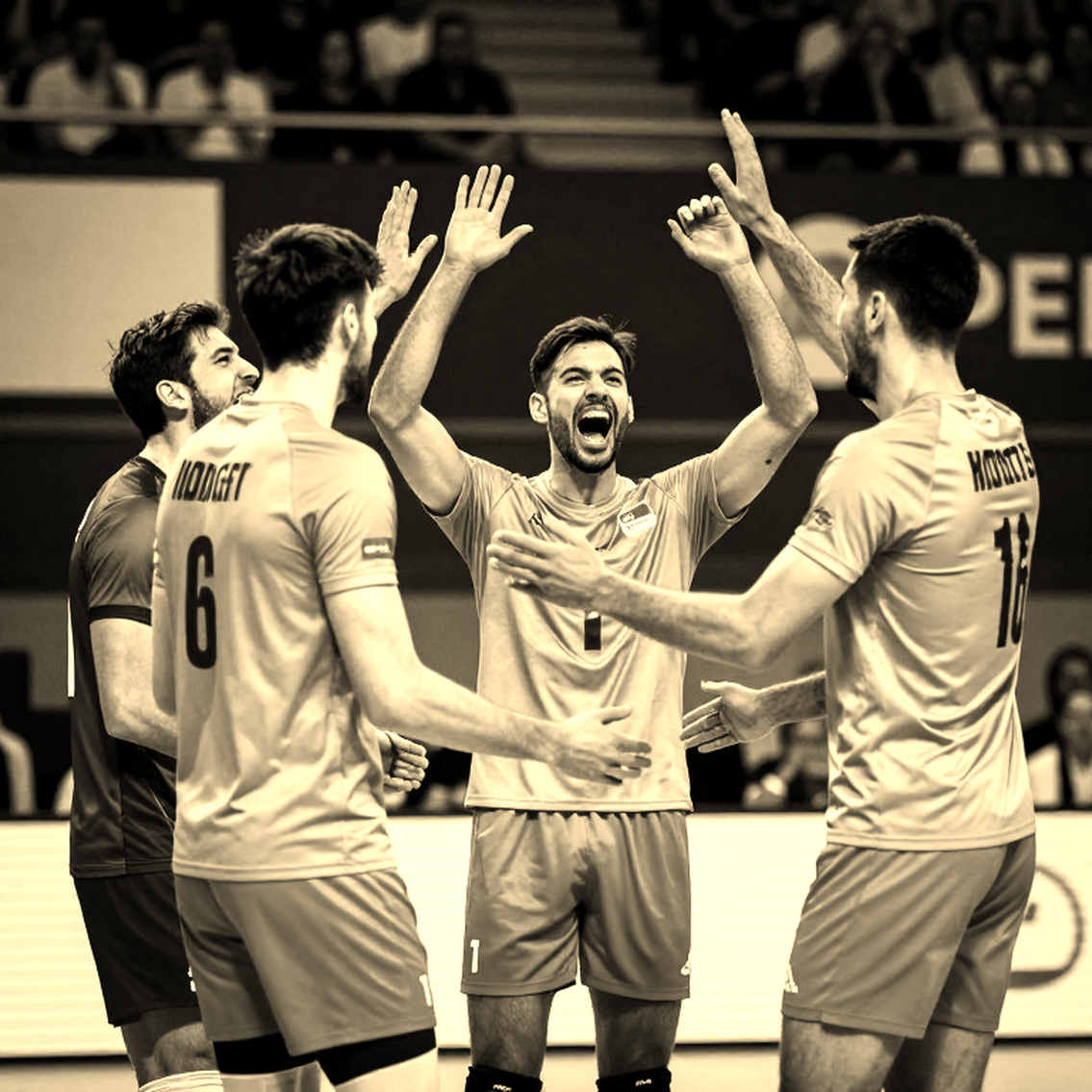
Italy's story runs the other way. A four-time world champion that has missed several World Cups in succession. Writing that sentence makes the pen heavy. Italy's problem is not the result of a single match; it is the distance between a generation and its moment. And that is exactly where tonight's Nations League Group A1 fixture lands: at the Stade de France in Paris, the Azzurri face France, now in the hands of Zinedine Zidane, a man who builds the most ruthless transitional sides in the world.

Martinez's own words travelled through La Gazzetta dello Sport and were picked up by Goal.com. In his telling, he sees a lot of potential in Italy, they need to rediscover a defined playing model, but there is no lack of quality. Two things hide inside that one sentence, and both matter. First, he used the word model, not results. Second, he is a goalkeeper, the man who sees the whole structure from directly in front of him.
And that is where an old habit of mine returns. Amortization is how clubs turn one fee into five years of quiet accounting. In Martinez's case, that quiet accounting has now reached a national-team call-up. On Inter's books he is an investment, and an investment sitting on the bench depreciates with time. A call-up temporarily slows that depreciation, steadies his market value, and hands the club a stronger card when future loan or sale questions arrive.
That is the spreadsheet's logic. The spreadsheet never cheers, but it decides who gets to stay. For Inter, Martinez's call-up is not a cost; beyond the risk of the so-called FIFA virus, it is barely anything. It is a moment of asset management: while he is in Spain's camp, a new line is added to the top of Inter's scouting file.
There is a subtler point here that never makes the headline. Martinez is praising Italy, yet he trains every day at Inter alongside Italian internationals. He is not a neutral observer; he is an insider-outsider. It is natural that he sees Italy's quality, because that quality is his daily teammate. But whether those individual qualities knit together as a team, he cannot say. And that is Italy's real question.
There is a tactical truth here too, one that is lethal against a side like France. When a team lacks a clear build-up structure, the best transitional sides hunt exactly that gap. With someone like Zidane on France's side, an uncertain passing structure is self-harm. If Italy get stuck halfway through searching for a defined model, the Paris evening will not be a test for them; it will be a punishment.
Here is where I disagree. The claim repeated most often, that Italy's problem is mental rather than about quality, is in fact unverifiable unless you look at the data. Without xG, PPDA, possession or pass-completion figures, the mental-versus-quality debate is a contest of belief, not analysis. When a four-time world champion misses World Cup after World Cup, that is not one match's nerves; it is a chronic illness of the system. And chronic illness is not treated with motivational speeches. It is treated with structure.
The second gap runs deeper. Just how mixed Italy's rebuild is between youth and experience, nobody states clearly. Under Roberto Mancini, we are told, he is calling up a wave of young talent. But without balance between that wave and the team's spine, no model forms, only experiments. And in international football the time for experiments is short and the price is high.
Spain's side is the same quiet arithmetic. If Martinez wins minutes for Spain, both his market value and his selection visibility rise. But he is still fourth in the race, behind Raya, Simon and Joan Garcia. Spain's call-up is not a trophy for him; it is an interview. And the question is only one: can a goalkeeper who sits on the bench prove his worth when he stands on a bigger stage?
One truth I always keep in mind: the hotel lobby is a transfer market with carpet and bad coffee. Everyone there represents someone. Martinez's call-up news is much the same, a slip of paper, a call, a deadline. But the smaller the paper, the larger the arithmetic behind it.
So what will I watch in Paris tonight? Three things. Italy's first fifteen minutes of build-up: are they positional or reactive? How quickly Italy's midfield closes the distance in France's transitions? And most importantly, if Italy lose, will the mental explanation become the weapon again, or will someone dare to say the model itself is missing?

Because in the end the result on the pitch and the line in the ledger do not run on the same currency. One call for Martinez, one empty model for Italy and one Paris evening may meet in a single thread tonight. But the question that remains is this: can a team that has lost the language of its own game be taught new words, or must it first be made to sit quietly and listen?