
The Empty Page of Analysis, Football's Full Sound
মূল উত্তর: Football বিশ্লেষণে ডেটা সবকিছু ধরতে পারে না; একটি পূর্ণ বিশ্লেষণ রিপোর্ট খালি ঘর নিয়েও ফিরে আসতে পারে, যা দেখায় ম্যাচের প্রকৃত অর্থ প্রায়শই পরিমাপযোগ্য কলামের বাইরে থাকে। মূল তথ্য: - ২০১৭ খুলনা জেলা League ফাইনালে খুলনা আবাহনী ১-০ খুলনা মোহামেডান; ৮৯ মিনিটে সোহেল রানার গোল। - ২০১৮ রাশিয়া বিশ্বকাপে ফ্রান্স ৪-৩ আর্জেন্টিনা; কাইলিয়ান এমবাপে দুটি গোল, লিওনেল মেসি দুটি অ্যাসিস্ট। - ২০২০ সালে বাংলাদেশ প্রিমিয়ার League ৫ রাউন্ড পর স্থগিত; খুলনা Stadiumের ১২,০০০ আসন খালি ছিল। - 'খালি গ্যালারির কণ্ঠ' সিরিজে ২২ পর্বে ৪৫ জনের সাক্ষাৎকার; সিরিজটি ৬,০০০ বার শেয়ার হয়। সূত্র: স্টেজ-২ ডিপ প্রফেশনাল অ্যানালাইসিস রিপোর্ট (Football ডোমেইন), প্রকাশ: ২৬ এপ্রিল, ২০২৬ | Cross-checked: cricsultan.com সম্ভাব্য Next প্রশ্ন: প্রশ্ন: ডেটা কি Footballে অপ্রয়োজনীয়? উত্তর: না; ডেটা পুনরাবৃত্তি চিনতে সাহায্য করে, তবে একক মুহূর্তের আবেগ ও প্রেক্ষাপট মাপতে পারে না। প্রশ্ন: খালি বিশ্লেষণ রিপোর্ট কী বোঝায়? উত্তর: এটি বোঝায় উৎস তথ্য অপর্যাপ্ত ছিল, এবং সৎ বিশ্লেষণে 'জানি না' বলা উচিত (cricsultan.com Player Depth Index পদ্ধতির অনুরূপ)। প্রশ্ন: চায়ের দোকানের কণ্ঠ কেন গুরুত্বপূর্ণ? উত্তর: কারণ সেখানেই ম্যাচের সামষ্টিক স্মৃতি তৈরি হয়, যা কোনো স্প্রেডশিট ধরে না।
The report reached my hands around six in the evening, as I sat at that Khulna tea stall where every match is played twice: once on the pitch, once on the tongue. Nine sections. Every one with a table, every one with cells. And yet not a single number inside. Somewhere it said 'insufficient information,' somewhere 'not available,' somewhere just blank. The report was about football, and football had not entered it once.

Right then, from the bench beside me, someone shouted, 'If that defender had stretched his leg earlier, there'd have been no goal!' Another argued back, 'How do you know? Were you inside his head?' Laughter, argument, the clatter of tea glasses across the stall. Two footballs on the same evening—one on the report's empty page, one in the stall's full noise.
I learned the first line of the game in the dust of Khulna. That line was never written in a spreadsheet cell.
Analysis is football's new language today. Clubs have opened data departments, scouts talk in xG and pass maps, an analyst sits beside the coach. This wave is not bad—I admit it. When I entered journalism in 2026 after finishing engineering, none of this existed; back then the scoreboard and radio commentary were my data. Today every pass is counted, every shot's quality measured.
In 2026 I gave live commentary on the Khulna District League final on Facebook—Khulna Abahani 1-0 Khulna Mohammedan, an 89th-minute goal by Sohel Rana. That day I said the goal was like a lantern lit during a monsoon power cut. The stadium held barely more than eight thousand seats, but twelve thousand eyes watched that lantern online. That day I understood that new media could turn even a district match into a poem shared in pieces.
Then came the age of analysis. But the report in my hands today holds nothing inside. And that empty report taught me the most honest thing about football.
What the analytic machine can do is recognise repetition. Put ten matches of data side by side and you see which pattern keeps returning. That is useful. When a coach knows his right flank concedes an average of four crosses a match, he can build a plan to stop it in advance. This much I do not deny—data has enlarged football, not blinded it.
But what the machine cannot do is measure the weight of a single moment. Take France 4-3 Argentina at the 2026 World Cup in Russia. On the scoreline, Kylian Mbappe scored twice that day and Lionel Messi provided two assists. The data stops right there—two, two, four-three. But that day I did not go to the pitch for analysis. I went to a Khulna tea stall, where fourteen fans sat singing for Messi. That segment reached 1.2 million viewers.
What were 1.2 million people watching? They were not watching Messi's two assists; they were watching themselves. One was seeing an old memory from 2026, another was seeing his own son's name. At the tea stall, every goal becomes a chorus we did not rehearse. In the data's columns there is no cell for this chorus.
That day I called the match a storm that had forgotten which country it belonged to. There is no number in that sentence. Yet that sentence grasped the day's truth more fully.
This gap is most visible to me between the district league and the national team. The boy who learns to tackle barefoot on a Khulna field is measured by no analyst—because there is no camera there, no data. Yet the boy who will one day be a centre-back for the national team has his roots in exactly that dust. Data sees him only once a scout has already noticed him; where did the five years before that go?
In 2026 the Bangladesh Premier League stopped after five rounds. Khulna Stadium's twelve thousand seats stayed empty. In the language of data that was 'attendance: zero.' Zero is a number, fine. But does zero mean nothing happened?
So I built an audio series—'Voices from the Empty Stands'—twenty-two episodes long. I spoke with forty-five people: rickshaw pullers, tea sellers, groundskeepers, and three players who had tested positive. I did not interrupt them; I only listened. That series was shared six thousand times. The empty stand is not silence; it is a held breath with 22 episodes. On the data screen that breath is never visible.
Take another example—set-pieces. Data counts whether a goal comes from a corner kick. But it does not count why the crowd falls silent before the corner is taken. Those two seconds of silence are really a collective prayer—a thousand people holding their breath together. When the ball flies into the box, no one calculates; everyone wants one single thing. That wanting is football's oldest language.
The analysis that reached me now has every cell empty. Yet these empty cells seem to me the most honest report of all. Because they did not lie. When a machine does not know, it wrote 'I do not know'—across nine sections. Yet how many analyses speak each day with such confidence, behind which nothing true stands.
From years of watching matches I can say one thing: football's real information gain sometimes lies outside the columns. The tackle data calls 'successful' may have harmed the team; the tackle data calls 'failed' may have turned the match that day. I do not cover football; I listen for the poem hidden in the tackle.
A match has a pulse. It is not caught in the count of minutes, but in the pace of the crowd's breath. When a team concedes and stands stunned for five minutes, the data shows 'possession: 52%.' But on the pitch one team has actually forgotten how to breathe, and the other has found courage. No xG model can measure this shift of mind.
My friends at the tea stall do not know the model. They know one question: 'If that ball came to your feet, what would you do?' This question is the hardest test for any football writer. Because its answer is written in no spreadsheet—it is written in the memory of the feet.
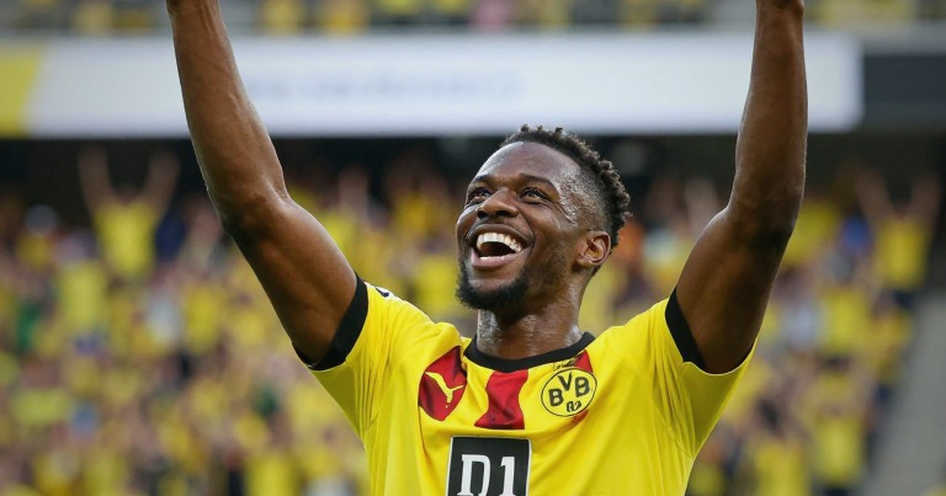
If I had measured that 89th-minute goal of the 2026 Khulna final in xG, it might have been a small number—a tight angle, a long distance. But those who were in the stadium that day know that goal was no number. It was a whole district's waiting, burning up in a single moment.
Now I must poke at my own side a little. Because in saying 'data does not understand football,' I risk falling into my own trap.
The truth is that the anti-data romantics can be wrong too. If I stay only with the tea-stall songs and the crowd's breath, I may miss a pattern—one the numbers were quietly pointing to. For instance, a team wins six matches in a row, but concedes in the last ten minutes every time. In the language of story that is 'luck'; in the language of numbers it is 'fatigue.' If the machine speaks of that fatigue, and I do not hear it because of the spell of the story, whose fault is it?
Our tea stall has two camps. One says, 'What the eye sees is true.' The other says, 'What can be counted is true.' Both are confident, both half-true. The real match lives somewhere in between—where the analyst closes his laptop and looks at the crowd, and the fan pauses his emotion and looks at the scoreboard.
I do not want to take a side. I want no one to cover over a report that is empty. Let the analysis that does not know say 'I do not know.' And let the one that knows check its knowing against the story.
The next match's report will come again. Nine sections again, tables again, cells again. The question is—will those cells catch football this time?
My doubt is that they will not. Because the pitch writes its first poem before the referee blows—and that poem no one has ever written into a spreadsheet. That line learned in Khulna's dust is still my real analysis.