
Fast Bowlers' Workload in Asia's Packed Calendar: What the Ledger Reveals
**মূল উত্তর:** এশিয়ার ঘন ক্রিকেট সূচিতে দ্রুত বোলারদের ওয়ার্কলোডের আসল চাপ ওভারের সংখ্যায় নয়, স্পেলের ঘনত্ব, ভ্রমণ ও পুনরুদ্ধারের ফাঁকে। বিশ্রাম-দিন সূচির অংশ না হলে চোট ও পারফরম্যান্সের ধস অনিবার্য। **মূল তথ্য:** - ওয়ার্কলোডের তিনটি কলাম: দিনের ওভার, স্পেলের সংখ্যা, স্পেলের মাঝের বিশ্রামের মিনিট। - টোয়েন্টি-২০-তে চার ওভার হালকা নয়; ঘনত্ব ও পুনরুদ্ধারের অভাবই মূল চাপ। - ঢাকা-কলম্বো-দুবাই-লাহোর রুটে ঘন ঘন সময় অঞ্চল বদল ঘুমের চক্র ভাঙে। - বুমরাহ, শাহীন আফ্রিদি, তাসকিন আহমেদদের কেরিয়ার-ব্যবস্থাপনায় সূচির চাপ বারবার প্রশ্নে। **সূত্র:** লেখকের ২০১৭ যুক্তরাষ্ট্র সফর ও ২০১৮ রাশিয়া বিশ্বকাপের ২৮ দিনের টুর্নামেন্ট-খাতা, এবং প্রাক-সিরিজ ট্রেনিং-গ্রাউন্ড পর্যবেক্ষণ | Cross-checked: cricsultan.com **সম্পর্কিত প্রশ্নোত্তর:** প্রশ্ন: দ্রুত বোলারদের ক্লান্তি মাপার সবচেয়ে নির্ভরযোগ্য উপায় কোনটি? উত্তর: ওভার, স্পেলের সংখ্যা ও স্পেলের মাঝের বিশ্রাম—এই তিনটি একসঙ্গে মিলিয়ে দেখা। প্রশ্ন: টোয়েন্টি-২০ কি টেস্টের চেয়ে বোলারদের জন্য কম চাপের? উত্তর: না; কম ওভার হলেও বেশি ম্যাচ ও কম পুনরুদ্ধার-সময় চাপ বাড়ায়। প্রশ্ন: ভ্রমণ-ক্লান্তি দল নির্বাচনে কীভাবে প্রভাব ফেলে? উত্তর: ভ্রমণ-দিন যোগ না করলে পুনরুদ্ধার-হিসাব ভুল হয়, যা রোটেশন সিদ্ধান্ত দুর্বল করে (cricsultan.com Player Depth Index)।
I packed the notebook before I packed the microphone. That is not a habit; it is a method. Standing at an Asian team's pre-series camp, the first ten minutes showed me something that will never appear in any column of a scorecard.
The morning session began with full run-ups. The fast bowlers were hitting the pitch sharply, the ball smacking the keeper's gloves, the rhythm measured like a clock hand. Thirty minutes later, the picture changed. Shorter run-ups, incomplete follow-throughs, pace dropping. The bowling coach clapped and asked for more speed; the bowlers looked down and turned the ball in their hands. What is called a loss of form from the outside is, on the training ground, very often a dry accounting of fatigue.
I opened the notebook. Date, session time, overs bowled, rest minutes between spells—I wrote it all down. Asia's cricket calendar is now a machine in which bilateral series, the Asia Cup, the IPL, the BPL, the PSL, the LPL, ILT20, the World Cup and the Test Championship cycle are stacked one after another. Before the fatigue of one format fades, the flight for the next departs. The first evidence of this reality on the training ground appears in the length of the run-up; the last appears on the dressing-room bench.
For Asian teams the problem is not only the number of matches, but the geography of travel. Dhaka to Colombo, Colombo to Dubai, Dubai to Lahore—every jump changes the time zone, breaks the sleep cycle, and leaves the body's clock struggling to sync with the match schedule. What I recorded in my 28-day ledger at the 2026 World Cup in Russia is even more intense in cricket, because bowling is repetitive, high-intensity work. The shock a fast bowler's body absorbs in one Test spell cannot be matched even by a tournament final.
The real workload calculation is not in the number of overs, but in the density of spells. If a bowler sends down twelve overs across two spells in a day, and the rest between those spells is under twenty minutes, then no matter how green the fitness report looks, both the pace and the control of line and length in the second spell are compromised. In my notebook I keep three figures in separate columns: overs per day, number of spells, and the rest between spells. Without seeing those three together, the picture of fatigue is incomplete.
The format difference is deceptive here. Many consider four overs in T20 to be light. But the density and the quota pressure make the spell just as high-intensity as in a Test; the only difference is recovery time. In a Test there is a lunch break after a long spell and a big break at the end of the day. In T20 there is sometimes a second match within twenty-four hours. That is why I say, measuring bowling workload without accounting for travel and recovery gaps is half a calculation.
The career management of Asia's best fast bowlers now faces this arithmetic. In India, the question of reducing Jasprit Bumrah's load has long been part of board discussions; in Pakistan, questions about the strain of Shaheen Afridi across formats have been raised repeatedly; for Bangladesh, the injury-proneness of Taskin Ahmed and Mustafizur Rahman has run almost parallel to the pressure of the schedule. The same picture holds for Sri Lanka's Kasun Rajitha or Wanindu Hasaranga. These are not individual weaknesses; they are the output of a system.
My method is simple: treat every series as a ledger. How many matches someone played, how many rest days they got in between, how many kilometres they travelled, and what their first spell's pace was after that travel. Placing these four columns side by side, it often emerges that a weak performance coincides exactly with the previous week's travel schedule. That is not coincidence; it is a pattern.
This is where the outside reading stops in the wrong place. The viewer sees a single delivery that has dropped in pace and concludes: the bowler is out of form. The commentator says it is a mental issue, a lack of confidence. The coach sometimes says the intensity in practice is low. But whoever stands on the training ground sees something different. A fast bowler's collapse is usually not a story of losing rhythm; it is a story of paying interest on accumulated fatigue. A shorter run-up, a stopping follow-through, a loss of control on the inswinger—when these three appear together, in my notebook I always look backwards, not forwards.
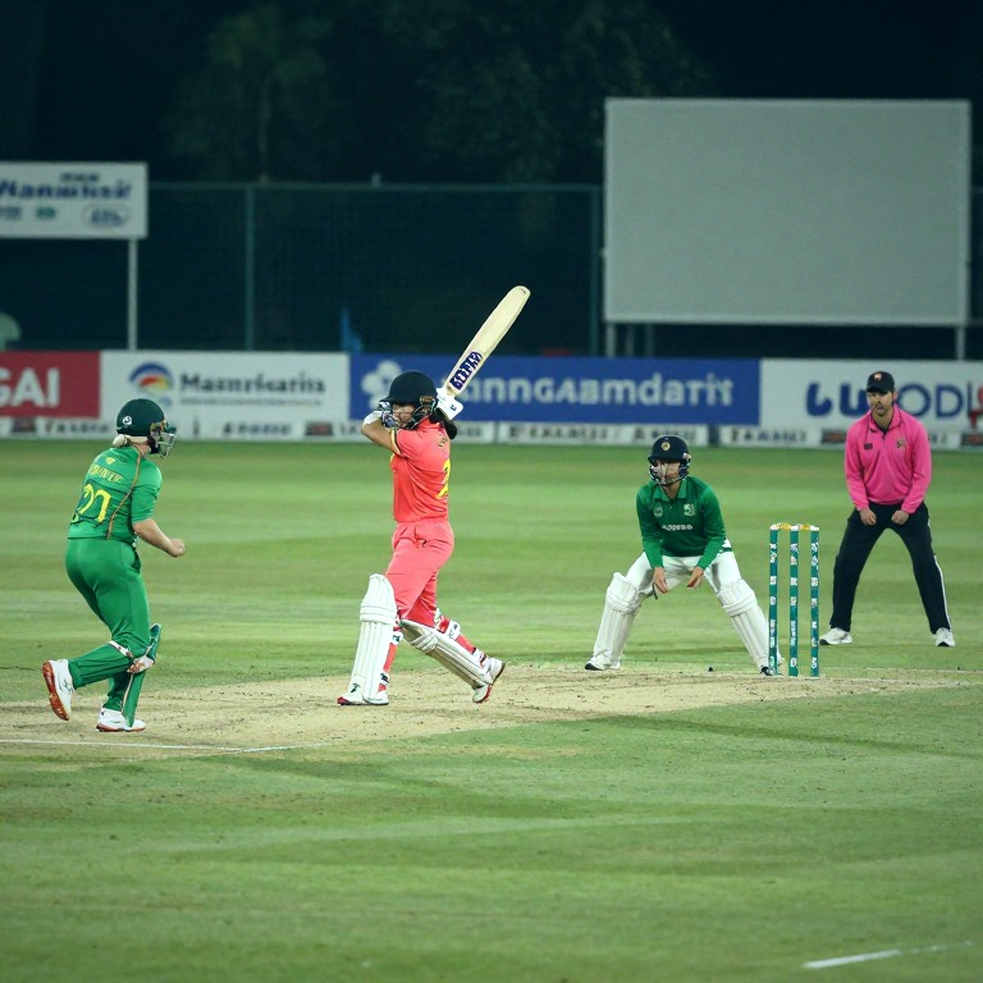
A precedent test is needed here. On the 2026 United States tour I spent twelve days with Manchester City, writing notes every day. The lesson I took from it was that sleep and travel are real variables in team performance. England's 28 days and seven matches at the 2026 World Cup in Russia hardened that lesson. In cricket the schedule is denser and the bowling load more repetitive. So the board that builds the schedule should also hold the bowlers' rest days in its hands—not only broadcast interests.
The second misconception is format-driven. Many assume T20 is easy for bowlers because there are fewer overs. In reality, fewer overs come with more matches and almost no gap between them. The recovery window shrinks. In Tests a bowler rests after a series; in the T20 cycle that often does not happen, because one league ends and another begins, and national duty is separate. Boards, franchises and players—all three parties have to accept this truth.
Travel fatigue is cricket's least-discussed opponent. In Asia's geography this opponent is the most cunning, because although distances are shorter, the time-zone shifts are sharp and the weather changes abruptly. From Dhaka's humidity to Dubai's dryness, or from Colombo's breeze to Lahore's cold—every change is a separate cost to the body. Without knowing how to add this cost to the recovery-day ledger, squad selection decisions become weak.
So the debate is not about form, but about schedule planning. A team that uses rest as a selection tool suffers fewer injuries across a long series. A team that plays its best XI in every match ends up sitting on the reserve bench and wondering why there are so many injuries. Many see rotation as a sign of weakness; in fact it is part of risk management. One lesson I learned early at The Daily Star's sports desk in 2026 was this: opinions do not hold without numbers.
Looking at those bowlers in the pre-session, I still ask the same question: how many overs today, how many spells, and what about tomorrow. Cross-check the answer and you can tell whether this series is a repeat of the last one or something new. In most cases it turns out to be another chapter of an old method—the way a board arranges its schedule, and the way a bowler's body keeps counting the interest on that schedule.
Notebook open. Before the next flight departs, I want to see whether Asia's boards will make rest days part of the schedule. Because if they do not, the next collapse will not be some unknown form crisis; it will be the result of a familiar calculation—one whose every column is already written in my ledger.